
SCREW CONVEYOR
Introduction
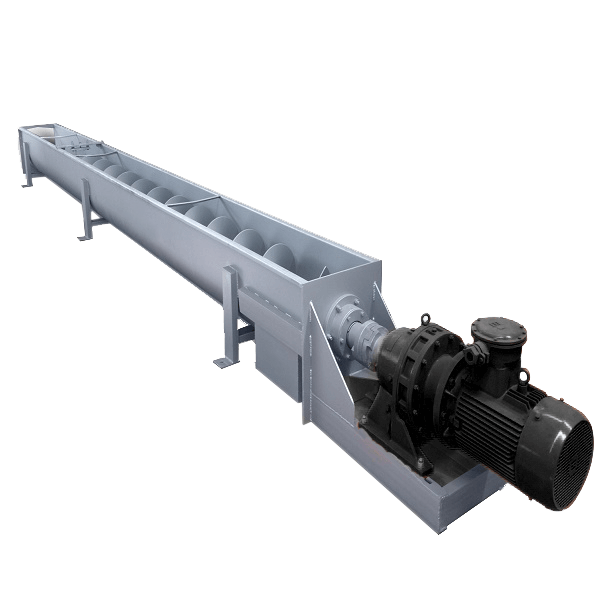
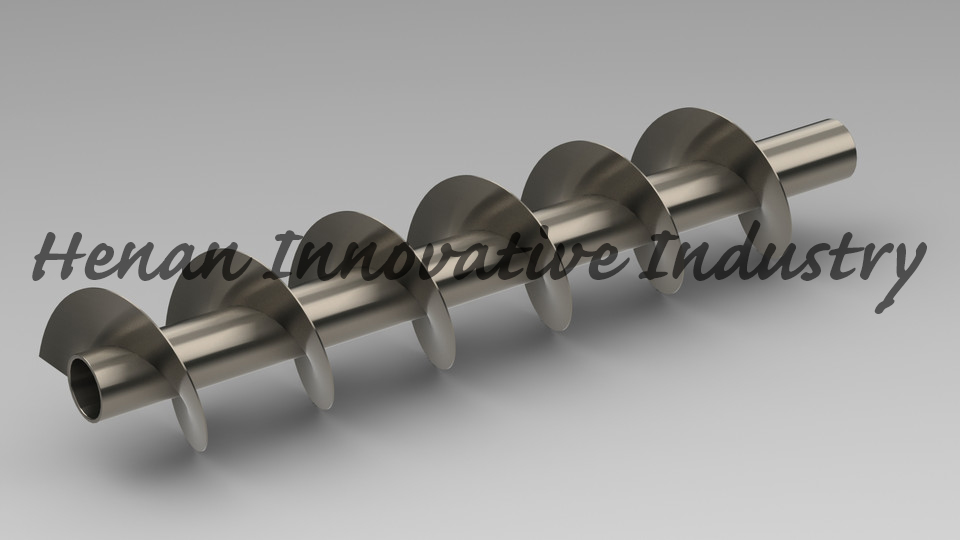
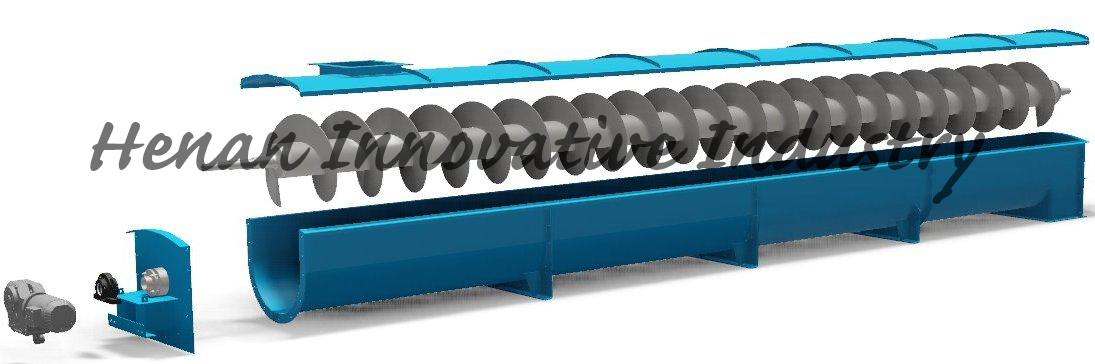
Henan Innovative Industry manufactures the Screw Conveyor, a bulk material handling system built on the operating principle behind the Archimedes screw. Its conveying element is a flat metal strip shaped into a helix that rotates around the system’s longitudinal axis, moving bulk material in an axial direction inside a stationary trough or tube that also serves as the carrying structure.
Material can be conveyed horizontally, diagonally, or vertically depending on the layout of the production line. Beyond simple transport, the Screw Conveyor can also support processing functions such as mixing, de-watering, and compression while material moves through the unit, and it can cool or dry material in the same pass. The design stays mechanically simple and is best suited to relatively short conveying distances, since the friction generated inside the trough means screw conveyors draw more power than belt conveyors or bucket elevators over longer runs.
Application Fields and Range
Application Fields
Building materials, chemical industry, electric power, metallurgy, coal mining, and food processing industries.
Applicable Materials
Powder, granules, and small lump materials such as cement, fly ash, pesticides, titanium dioxide, and paint, conveyed horizontally or at an incline. Suitable for materials with a temperature below 200°C. Not suitable for perishable, high viscosity, or easily agglomerated materials.
Key Technical Parameters
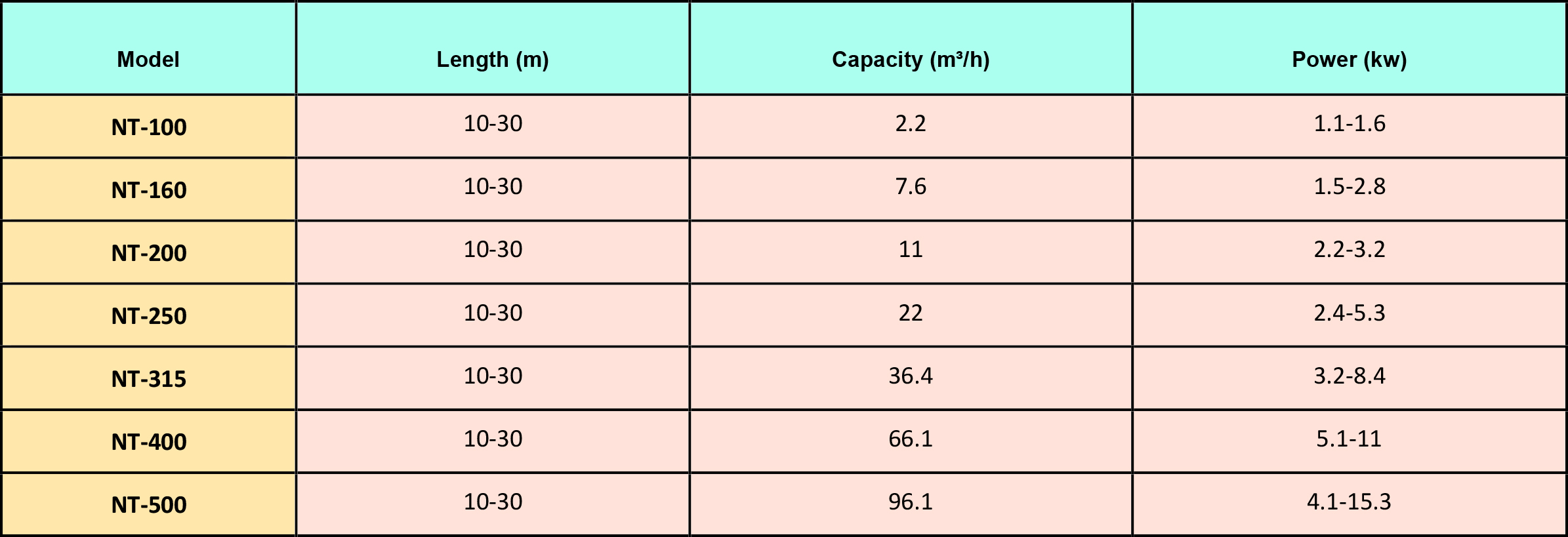
Conveying Distance: 10 to 30 m
Conveying Capacity: 2.2 to 100 m3/h
Motor Power: 1.1 to 15.3 kw
STRUCTURE & WORKING PRINCIPLE OF SCREW CONVEYOR
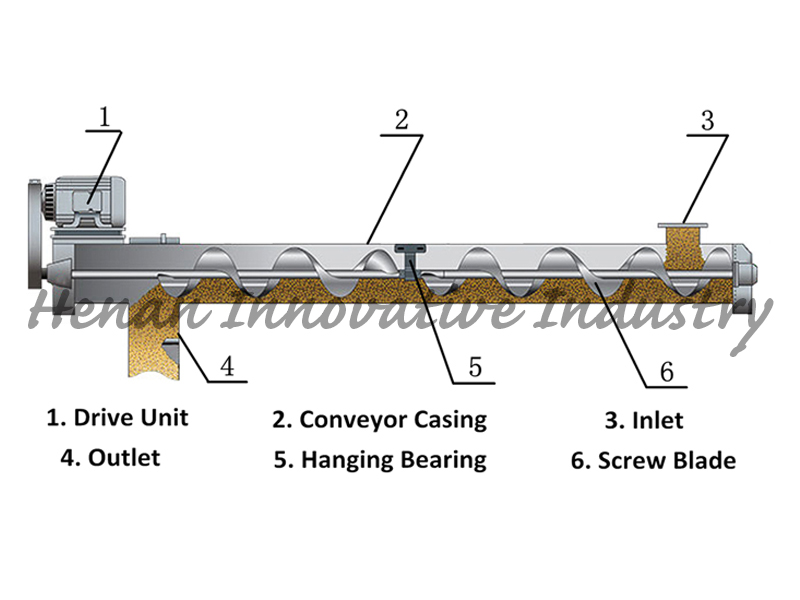
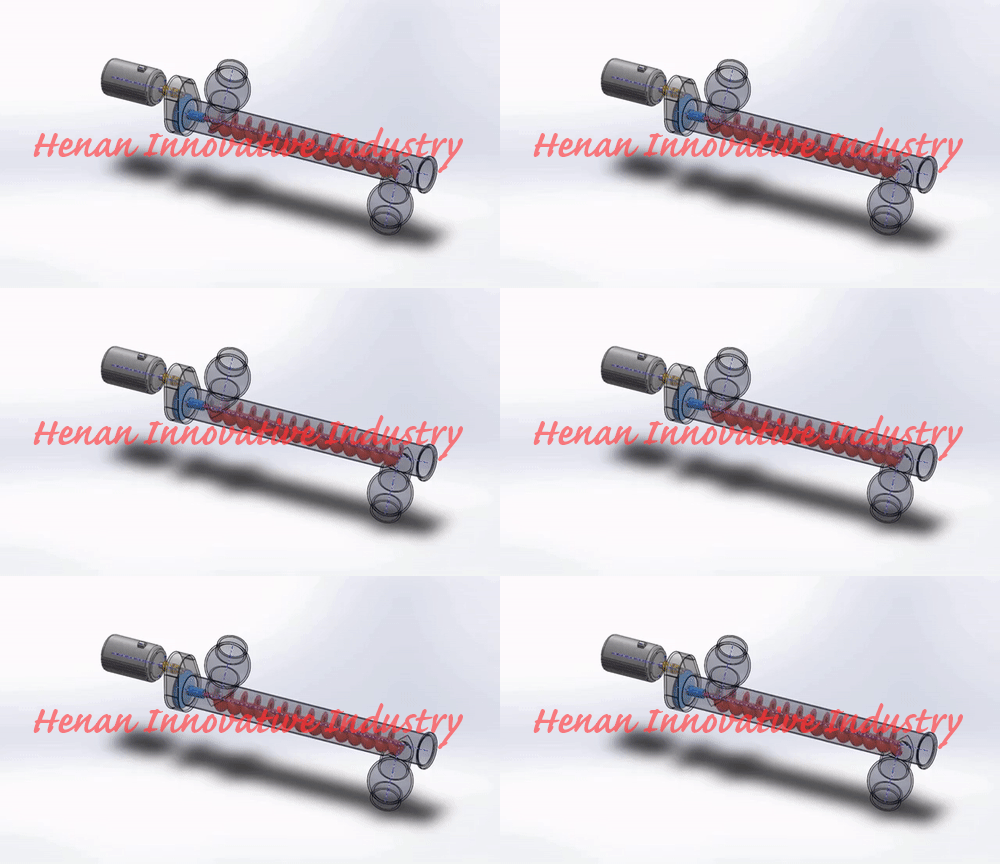
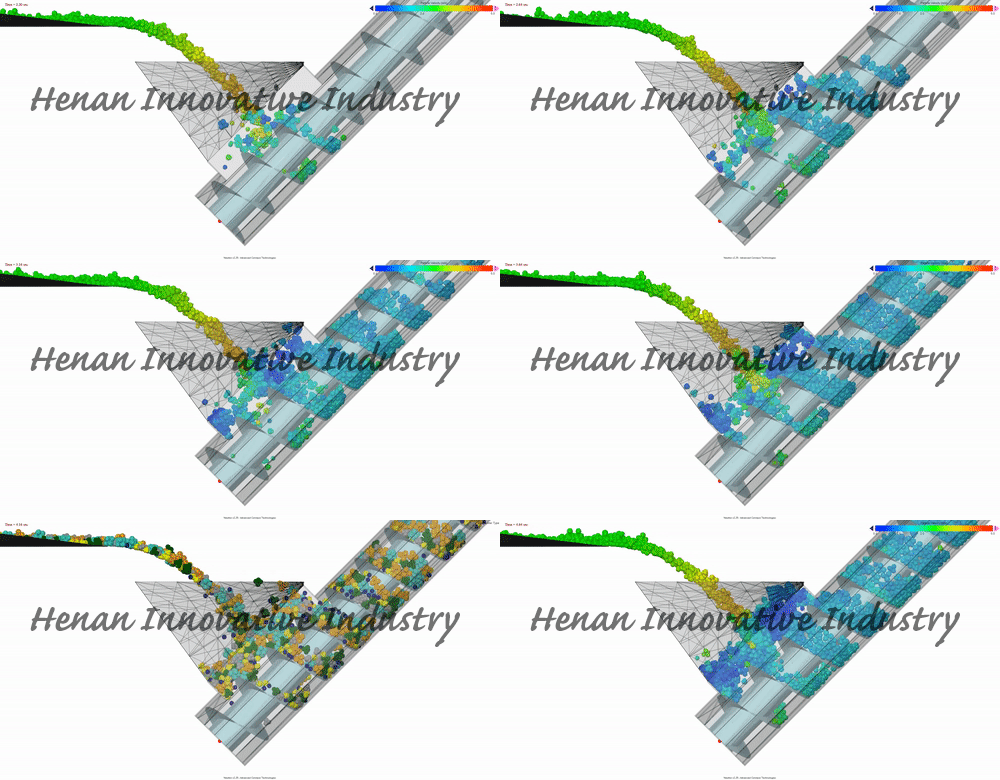
As the screw shaft rotates, the weight of the material combined with the friction between the material and the trough wall causes the material to move forward along the bottom of the conveyor, driven by the push of the helical blade.
The motion resembles an un-rotatable nut moving in translation along a rotating screw. Material at the mid bearing is pushed forward by the material moving in from behind it, so the overall delivery inside the conveyor behaves like a continuous sliding motion rather than a rotational one.

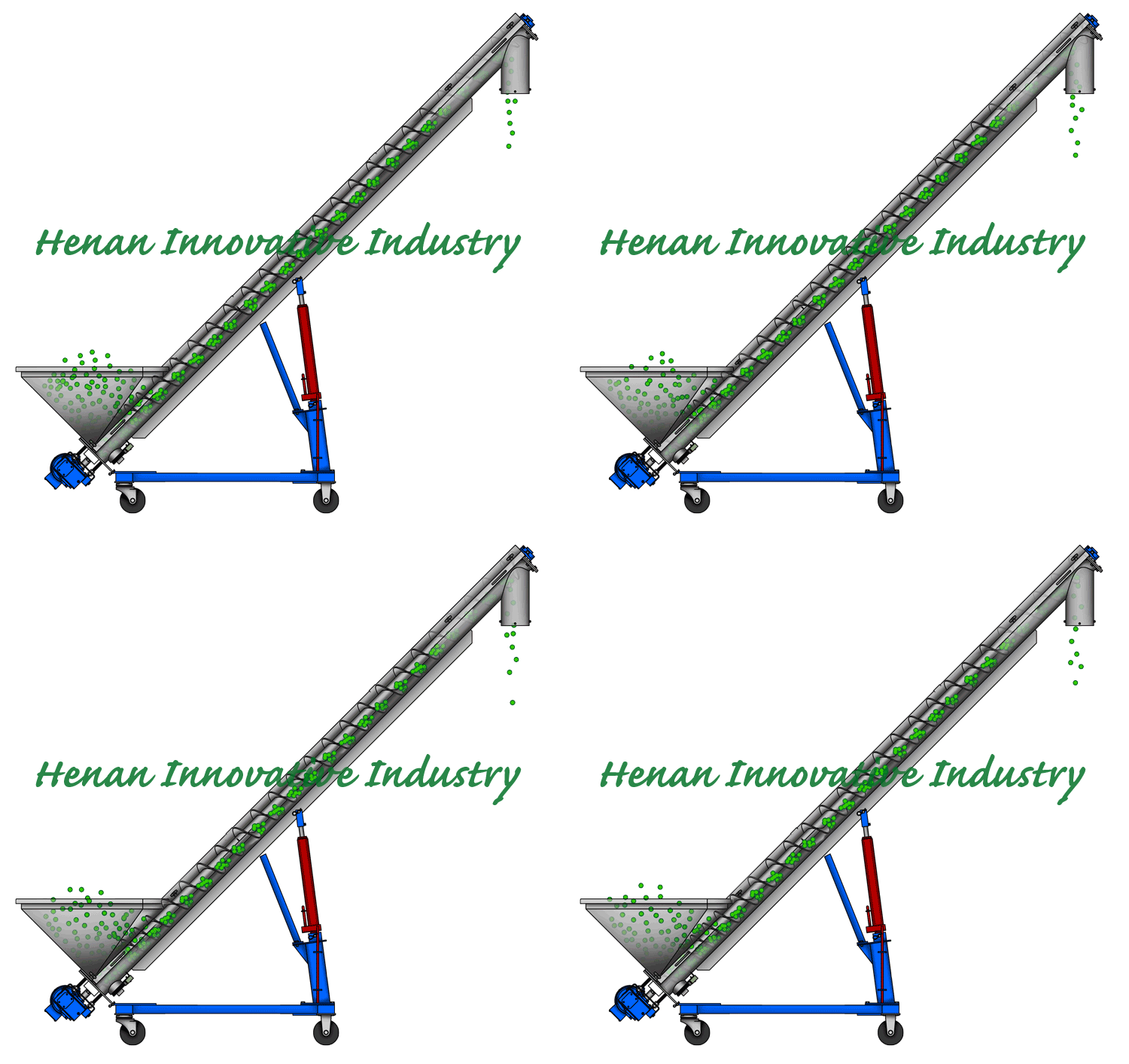
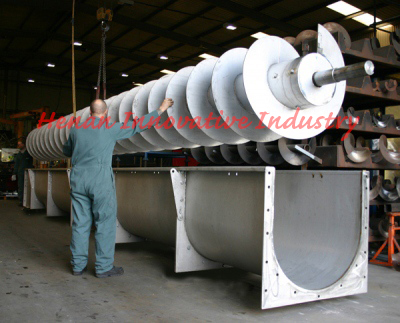
To keep the screw shaft under a more favorable pulled load, the motor and the discharge port are normally positioned on the same side of the conveyor, with the material outlet at the opposite end of the screw. The helical blade pushes material along to complete the delivery. Because of the material’s own weight and the friction against the shell, the material itself does not rotate together with the screw. Blade surface design is selected based on the material being conveyed, available in solid type, belt type, and ribbon (leaf surface) type.
The screw shaft includes a thrust bearing positioned at the end in the direction of material movement, which counters the reverse force generated together with the material flow. For longer conveyor lengths, an intermediate hanging bearing is added for additional support.
TECHNICAL ADVANTAGES AND FEATURES
01.
Simple Structure and Low Cost
The Screw Conveyor features a simple mechanical structure, convenient maintenance, and low overall equipment cost, making it an economical material handling solution.
02.
High Conveying Volume Over Long Distances
Delivers a large conveying volume with the ability to maintain consistent performance across extended conveying distances within a single production line.
03.
Low Noise and Standardized Spare Parts
Operates with low noise and stable, consistent delivery, while using standard spare parts that simplify maintenance and reduce long-term servicing costs.
SPECIFICATION DATA
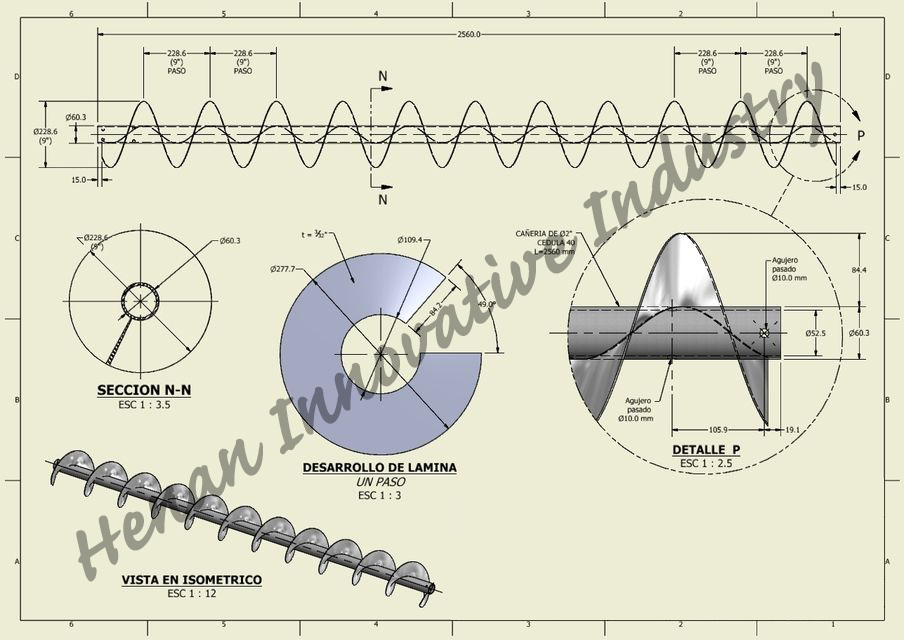
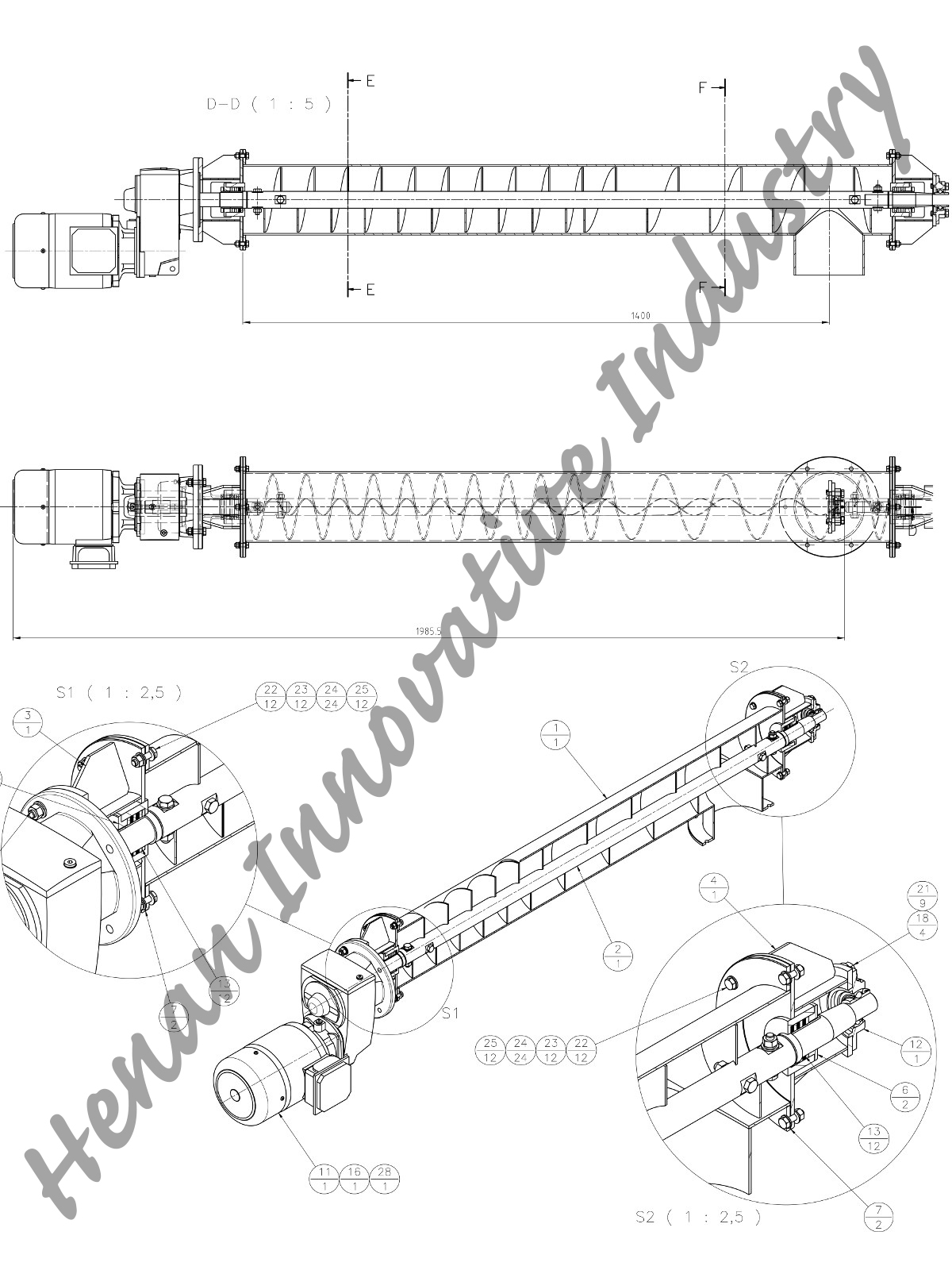
The specification data below covers the full Screw Conveyor range. Final model selection is determined based on your material type, required conveying distance, conveying capacity, and motor power.
Looking for a Screw Conveyor for Your Production Line?
Tell us your material type, required conveying distance, and conveying capacity. Our engineering team will recommend the right Screw Conveyor configuration for your production line.