
BALL MILL
Introduction
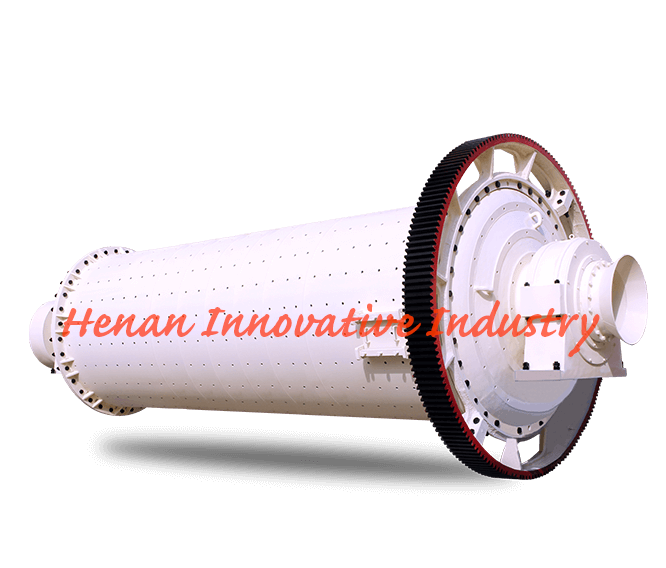
The NT-Series Ball Mill is a high-efficiency grinding system with significant improvements over traditional ball mill designs. It is the primary equipment used for material grinding after the crushing stage.
Ball Mills support both dry and wet grinding across cement, silicate products, building materials, refractory materials, fertilizers, and metal and non-metal mineral processing. Grinding fineness is adjustable through grinding time, and grinding media selection including steel balls, steel rods, or ceramic media varies based on material and application requirements.
The Ceramic Ball Mill variant is an energy-saving design that improves production capacity and crushing efficiency across medium, fine, and ultra-fine grinding operations, from limestone and basalt through to various ore types.
Application Fields and Range
Application Fields
Ball Mill grinding systems are widely used in calcium carbonate processing, gypsum powder production, power plant desulfurization, non-metallic mineral milling, and pulverized coal preparation.
Applicable Materials
Limestone, calcite, calcium carbonate, dolomite, barite, talc, gypsum, diabase, quartz, bentonite, and similar materials.
Key Technical Parameters
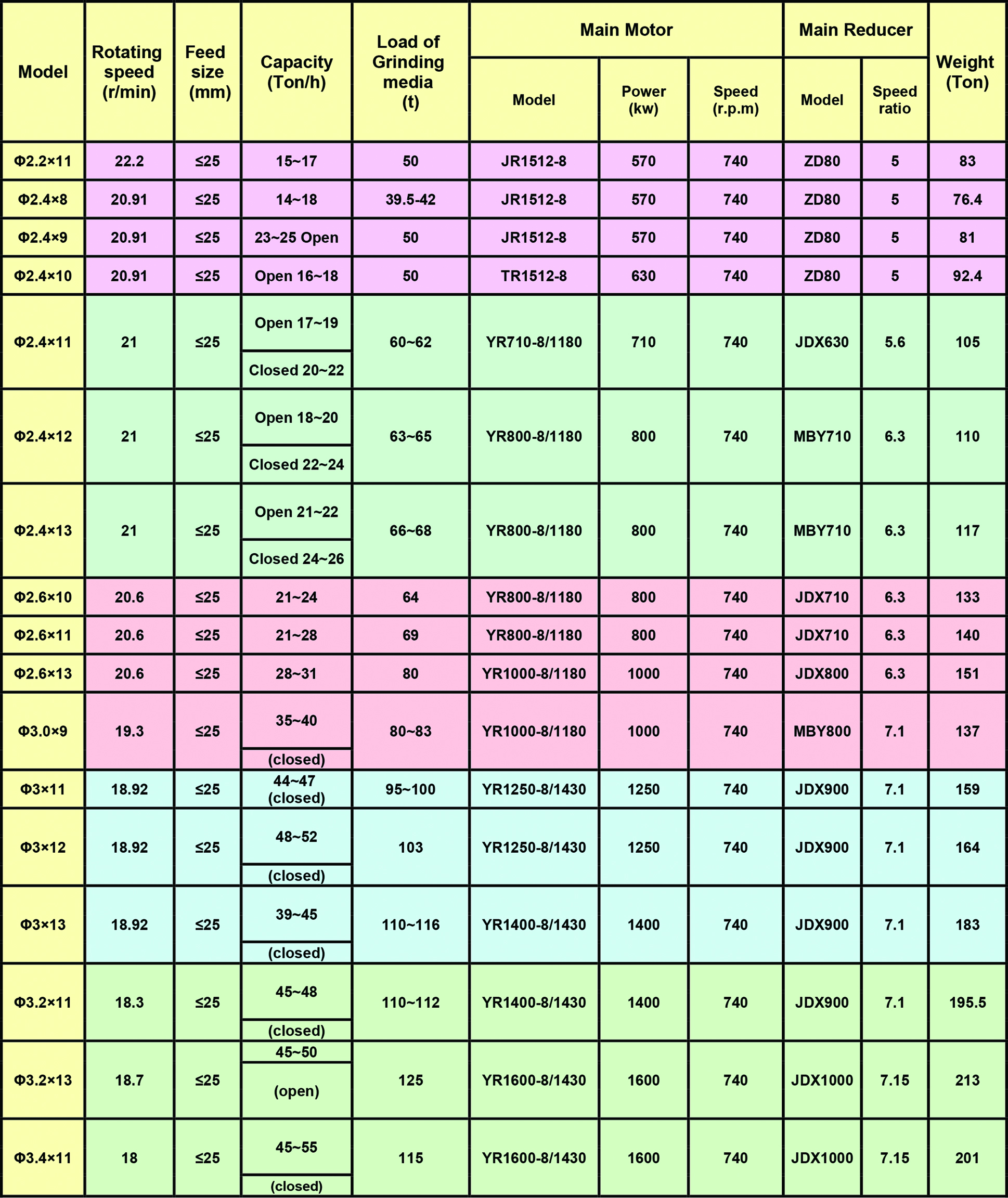
Processing Capacity: 15 to 55 t/h
Feeding Size: Up to 25 mm
APPLICATION RANGE
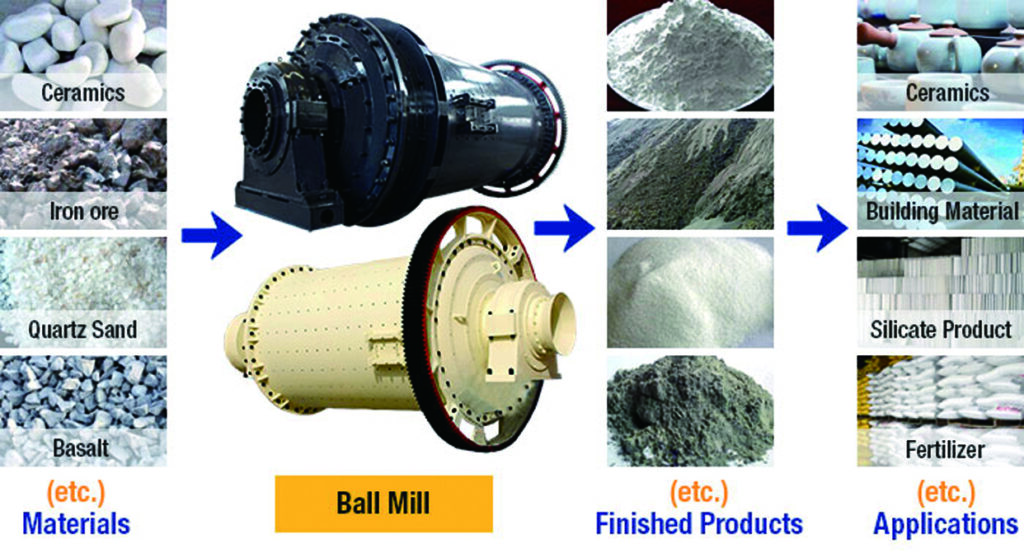
The NT-Series Ball Mill is the primary grinding equipment used after the crushing stage in industrial mineral processing.
It is widely applied across the following industries: coal, cement, silicate products, new building materials, refractory materials, fertilizers, ferrous and non-ferrous metal processing, quartz, feldspar, silica sand grinding, and glass ceramics production.
The Ball Mill supports both dry and wet grinding for all types of ores and grindable materials, making it one of the most versatile grinding systems available for industrial use.
Design
The NT-Series Ball Mill incorporates a specially designed integrated diaphragm and discharge grate system that regulates material levels across each grinding chamber. This improves internal air circulation and overall grinding conditions.
Additional design improvements include a new-generation lining plate, optimized mill rotation speed control, redesigned pinion gear geometry, and enhanced bearing lubrication parameters. These upgrades work together to increase operational stability and grinding efficiency.
In practical operation, the NT-Series Ball Mill delivers approximately 20% higher output and 10 to 12% lower power consumption compared to conventional ball mills of the same size. The NT-Series Ball Mill has been recognized as a Well-Known Brand Product by the China Building Material Machinery Industry Association.
BALL MILL STRUCTURE
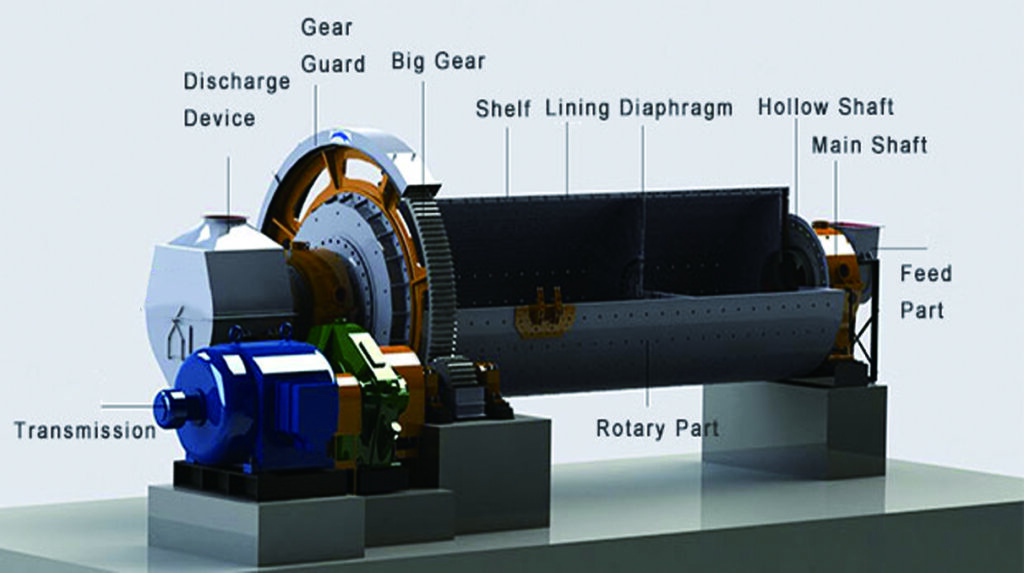
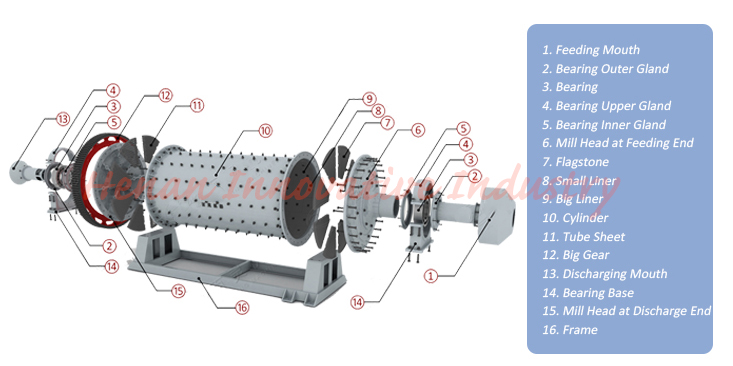
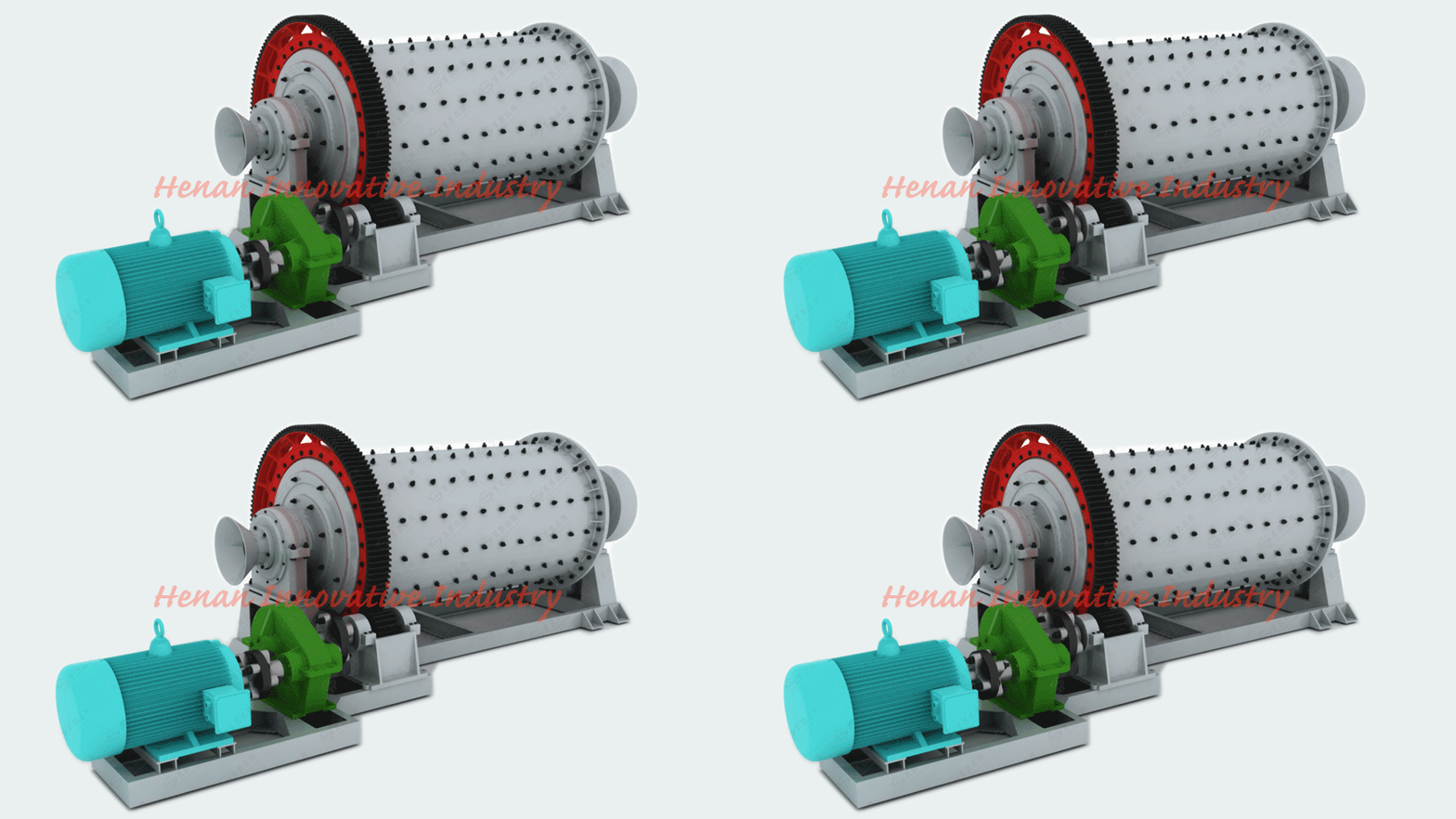
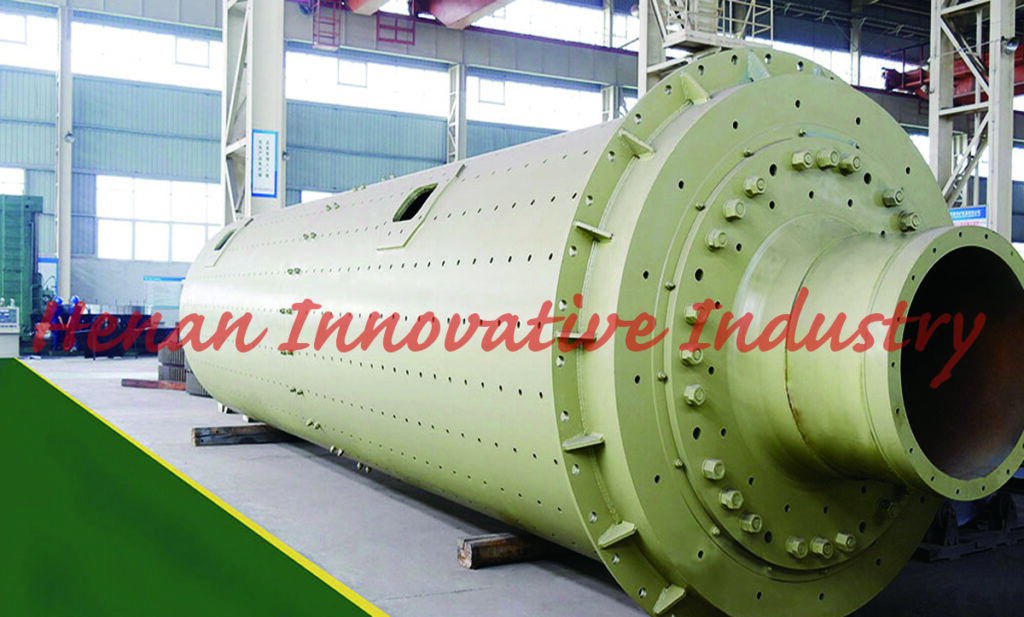
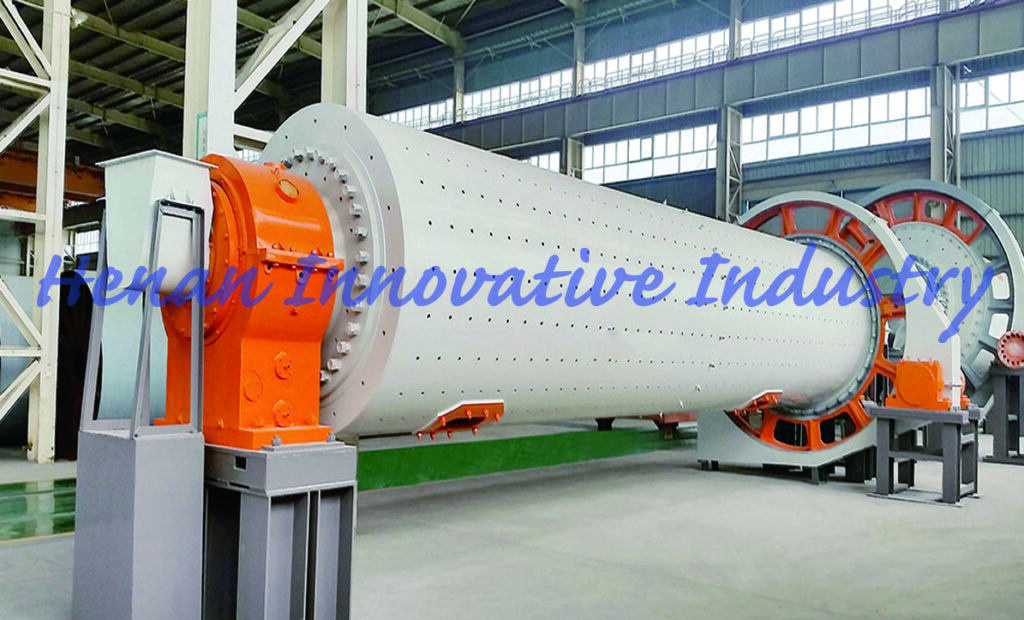
The Ball Mill consists of six primary components: the feeding device, the supporting device, the rotating cylinder, the discharging device, the transmission gearbox, and the cooling system.
The design accommodates both dry and wet processing configurations, allowing the system to be selected and configured based on the specific material and process requirements of each application.
WORKING PRINCIPLE OF BALL MILL
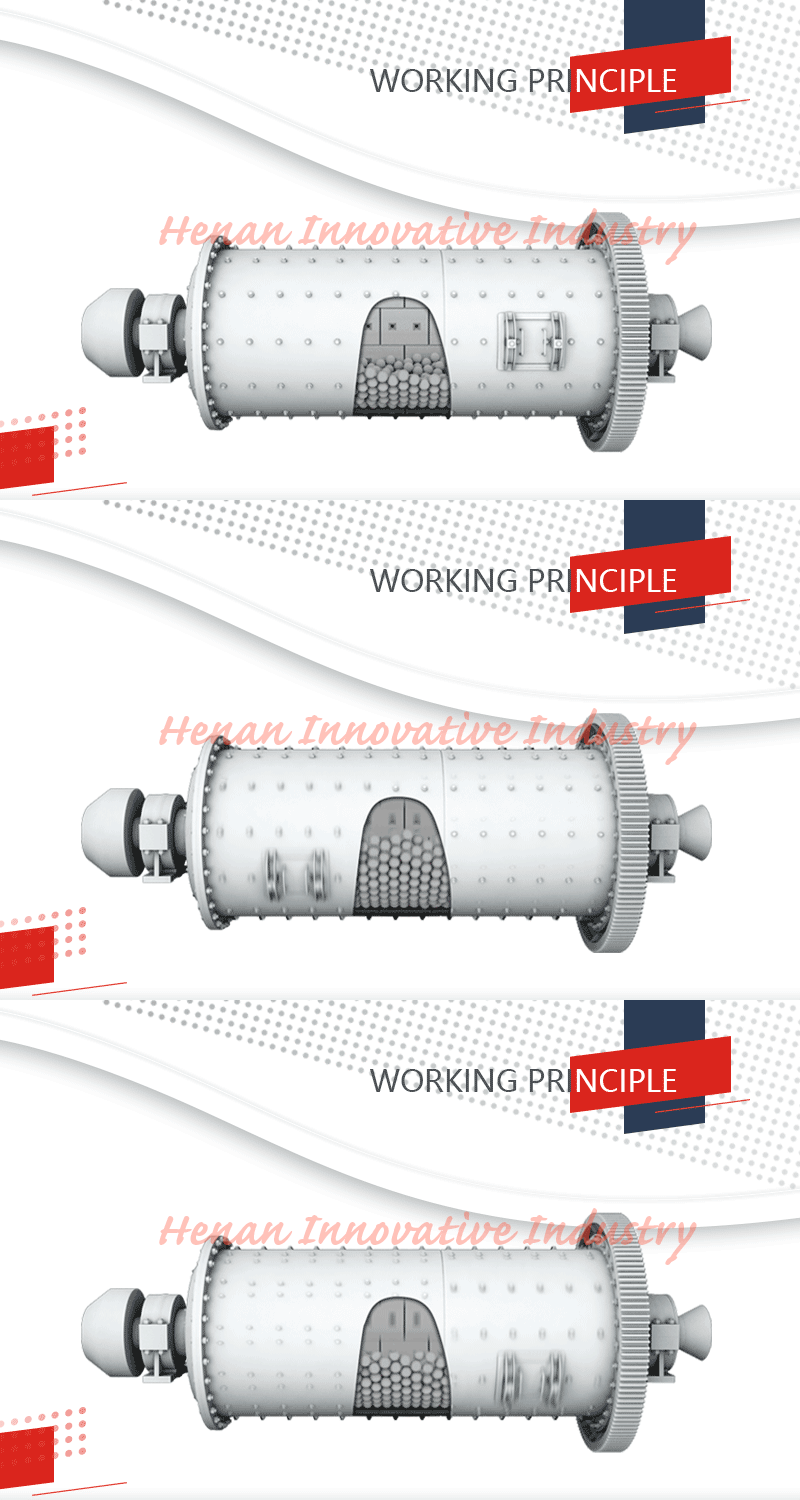
The Ball Mill operates as a horizontal rotating cylinder. Material is fed uniformly into the first grinding chamber through a hollow shaft by the feeding device. The inner surface of this chamber is lined with step-type liner plates.
The drive motor rotates the cylinder, generating centrifugal force that carries the steel grinding balls to a calculated height. The balls then fall under gravity, creating high-impact collisions with the material inside the cylinder. This repeated impact breaks the material down into progressively finer particles.
After initial grinding in the first chamber, the material passes through a single-layer partition board into the second chamber. This chamber is fitted with flat liner plates and a second set of grinding balls, where the material is ground further until it reaches the required particle size specification.
The finished powder is then discharged through the discharge grate, completing the grinding cycle.
TECHNICAL ADVANTAGES AND FEATURES
01.
High Output with Low Energy Consumption
High output with low energy consumption reduces operating costs across extended production runs, making the Ball Mill a cost-efficient choice for continuous large-scale grinding operations.
02.
Supports Both Wet and Dry Grinding Processes
The Ball Mill supports both wet and dry grinding methods, with the option to combine drying and grinding into a single integrated operation for greater production efficiency.
03.
Compatible with Open-Circuit and Closed-Circuit Configurations
Flexible system compatibility allows the Ball Mill to operate in both open-circuit and closed-circuit grinding configurations, adapting to different production line layouts and output requirements.
04.
Sealed Design Eliminates Dust Emissions
The fully sealed design operates under negative pressure, eliminating dust emissions at the working site and ensuring a cleaner, safer production environment.
05.
Engineered for Large-Scale Continuous Production
Robust structural design and reliable drive systems make the Ball Mill suitable for large-scale continuous production environments with minimal downtime
06.
Alumina Ceramic and Specialist Lining Options Available
Lining plates and grinding media are available in alumina ceramic, quartz, and specialist materials, eliminating iron contamination in sensitive mineral processing applications and reducing breakage rates.
07.
Dust-Free Operation When Combined with Ultra-Fine Classifier
When paired with an ultra-fine classifier in a closed-circuit system, the Ball Mill operates under negative pressure throughout, ensuring a dust-free working environment and protecting operator health.
SPECIFICATION DATA
Looking for a Reliable Ball Mill Supplier?
Tell us your material type, required capacity, and processing conditions. Our engineering team will recommend the right Ball Mill configuration for your operation and provide a detailed technical proposal.